

Co-op Compliant HVAC Commercials: A Dealer's Guide
Co-op compliant creative.
We know the rules, so your spots clear manufacturer review and qualify for reimbursement. Ferric and Flame Creative makes video and radio advertising for HVAC dealers. Below is how co-op works for commercials. What the major brands ask for. And how to build a spot that gets paid back.
How HVAC Co-op Advertising Works

Most HVAC manufacturers set aside money to share the cost of dealer advertising that features their brand. You earn it through equipment purchases. You spend it on qualifying advertising. Then you file a claim to get part of the cost back.
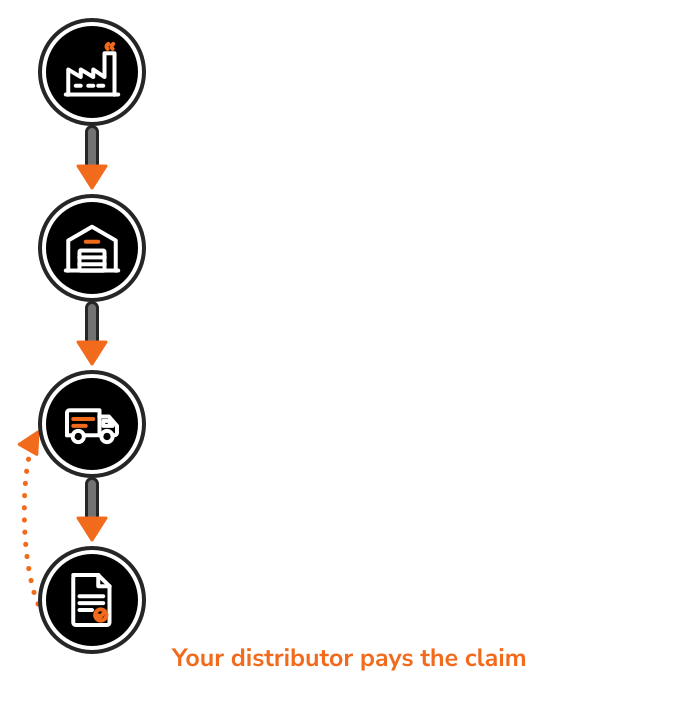
The money usually runs through your distributor. Your distributor sets your allowance, approves your creative, and pays the claim. So the same brand can have slightly different rules from one distributor to the next.
Some programs are true co-op. The manufacturer pays a share and you pay the rest. Others are accrual funds. You spend money you have already earned. Either way, the spot has to follow the brand's rules to qualify.
What Manufacturer Review Looks For in a Commercial
The brand, said out loud
Most programs require the brand name in the audio. Some also require the brand tagline. The number of mentions can depend on spot length.
The logo, on screen
Commercials usually need the approved logo shown clearly. Some brands set a minimum size relative to your own logo.
One brand only
Programs commonly exclude ads that show or name competing brands. Even equipment in the shot counts.
Approval before air
Locally produced spots usually need pre-approval of the script, and sometimes the storyboard, before the spot runs. Brand-supplied ad kit materials often skip that step.
Honest offers
Financing, warranty, "free," and price language gets a closer look. Some brands restrict advertised prices on certain products. Co-op approval does not mean an offer is legally cleared. Check offers with your financing provider too.
Co-op Rules by Manufacturer
These are summaries of publicly posted program documents. Programs change every year and vary by distributor. Always confirm current rules with your distributor or your program portal before you produce or buy media.
Carrier
Distributor guides for Carrier ask that dealer-created advertising be pre-approved, while Carrier ad kit materials can skip pre-approval. One 2026 Carrier policy requires broadcast scripts to mention Carrier at least twice and include the tagline, shows the Carrier logo in commercials, and excludes live reads. Claims typically pair the station invoice with a notarized script. Filing windows are tight, and late claims can be paid at a lower rate or denied.
Bryant
Bryant's guidelines ask that every commercial show the Bryant logo with the "Whatever It Takes" tagline. Spots longer than :15 also say the brand name and tagline out loud. Spots from :10 to :15 say the brand name. Locally produced scripts need pre-approval unless you use the current ad kit. Claims use the station's month-end invoice and a notarized affidavit matched to it.
Trane
Trane's dealer guide calls for the approved Trane or Trane Comfort Specialist logo at no less than half the size of the dealer logo in commercials, plus at least one Trane mention in the audio. Radio, podcasts, and streaming audio need one mention, and the "It's Hard to Stop a Trane" tagline counts. Pre-approval is strongly recommended. Claims include the invoice and either the finished spot or a notarized script.
American Standard
American Standard runs pre-approvals and co-op claims through its Marketing Advertising Express (MAX) portal, and its dealer guide covers branding and broadcast. Dealers can give their agency access to MAX. Confirm the current broadcast rules in the guide.
Lennox
Lennox dealers can claim part of the cost of co-branded activity through the Lennox co-op portal. Media bought through the Lennox CAP program is planned by Lennox's agency partner, so dealer-produced spots often run through the self-service or co-op path instead. Lennox also enforces an advertised price policy on certain products. Confirm the current creative rules in your portal.
Rheem and Ruud
Rheem's posted co-op guide requires pre-approval in the portal before you buy media, with scripts uploaded for review. It asks for the Rheem logo in commercials and brand mentions in radio based on spot length. Broadcast claims use a notarized proof of performance on the actual script plus the station invoice. Ruud distributors ask that work follow Ruud brand standards and avoid competing brands.
Goodman and Daikin
Goodman and Daikin programs are often accrual funds, not true co-op, and can cover broadcast and radio. Daikin program documents ask that Daikin be the only brand advertised. Claims generally need an invoice, proof of payment, and proof the ad ran. Ask your territory manager or distributor for the current requirements.
Brand names and taglines belong to their owners. Ferric and Flame Creative is an independent studio and is not affiliated with these manufacturers.
What You Need to File a Broadcast Claim
Requirements vary, but most broadcast claims ask for some mix of these:
-
The pre-approval confirmation for a locally produced spot
-
The final script, or the finished spot
-
A notarized affidavit or script from the station showing when the spot ran and how often
-
The station or media invoice, matched to the affidavit
-
Proof of payment, for some programs
Ask the station for the affidavit when you place the buy. Most programs set a filing window after the invoice date. Most also have a hard year-end cutoff.
How We Build a Co-op Compliant Spot
Rules first
Before we write a word, we get the brand's rules from you or your distributor. Mentions. Tagline. Logo size. Length.
Script for approval
We write a script that tells your story and meets the rules. It's formatted for pre-approval.
Produce to the approved script
What gets approved is what gets made. Brand mentions land where the reviewer expects them. The logo holds long enough to read.
Ready for the claim
You get the final script and spot files for your claim. Ad ID and slate info are included when your station or program asks for them.
It's more than just an ad. It's your story.

HVAC Co-op Commercial Questions
Can I use co-op money on a custom commercial instead of the manufacturer's ad kit?
Usually, yes. Most programs allow locally produced commercials. Many want the script pre-approved before the spot runs. Ad kit materials often skip that step.
How many times does my commercial need to say the brand name?
It depends on the brand and the spot length. Some ask for one mention, some ask for two, and some also require the tagline. Check your program's current guide.
Does co-op pay for production, or just airtime?
It varies. Bryant's guidelines list creative and production costs for commercials as qualified. Other programs have excluded production costs. Ask your distributor before you budget.
What is a notarized affidavit for a commercial?
It's a station-signed record of when your spot ran and how many times. Many programs need it to pay a broadcast claim. It has to match the station invoice.
Do streaming and OTT commercials qualify for co-op?
Some programs list streaming. Trane's guide includes over-the-top advertising. Others are less clear. Confirm with your distributor before you buy.
Can my commercial mention other brands we service?
Usually not. Many programs exclude ads that show or name competing brands, including equipment in the background.
How long do I have to file a co-op claim?
Not long. Some programs pay full rate only within 60 to 90 days of the invoice. Many have a year-end cutoff in December. Check your program.
Will Ferric and Flame Creative file my claim?
No. The claim stays with you or your agency. We make the spot to the rules. Then we hand off the script and files your claim needs.
